all search

Tel: +86-311-66695955, +86 18631137373
Factory Address: No.29-11 Jinyu Avenue, Zanhuang Economic Development Zone, Shijiazhuang City, Hebei Province, P.R.China
Office Address: 14th Floor, East Wing, Business Building 6, Xuhui Zhongrui Mansion, No.281 South Jianshe Avenue, Shijiazhuang City, Hebei Province
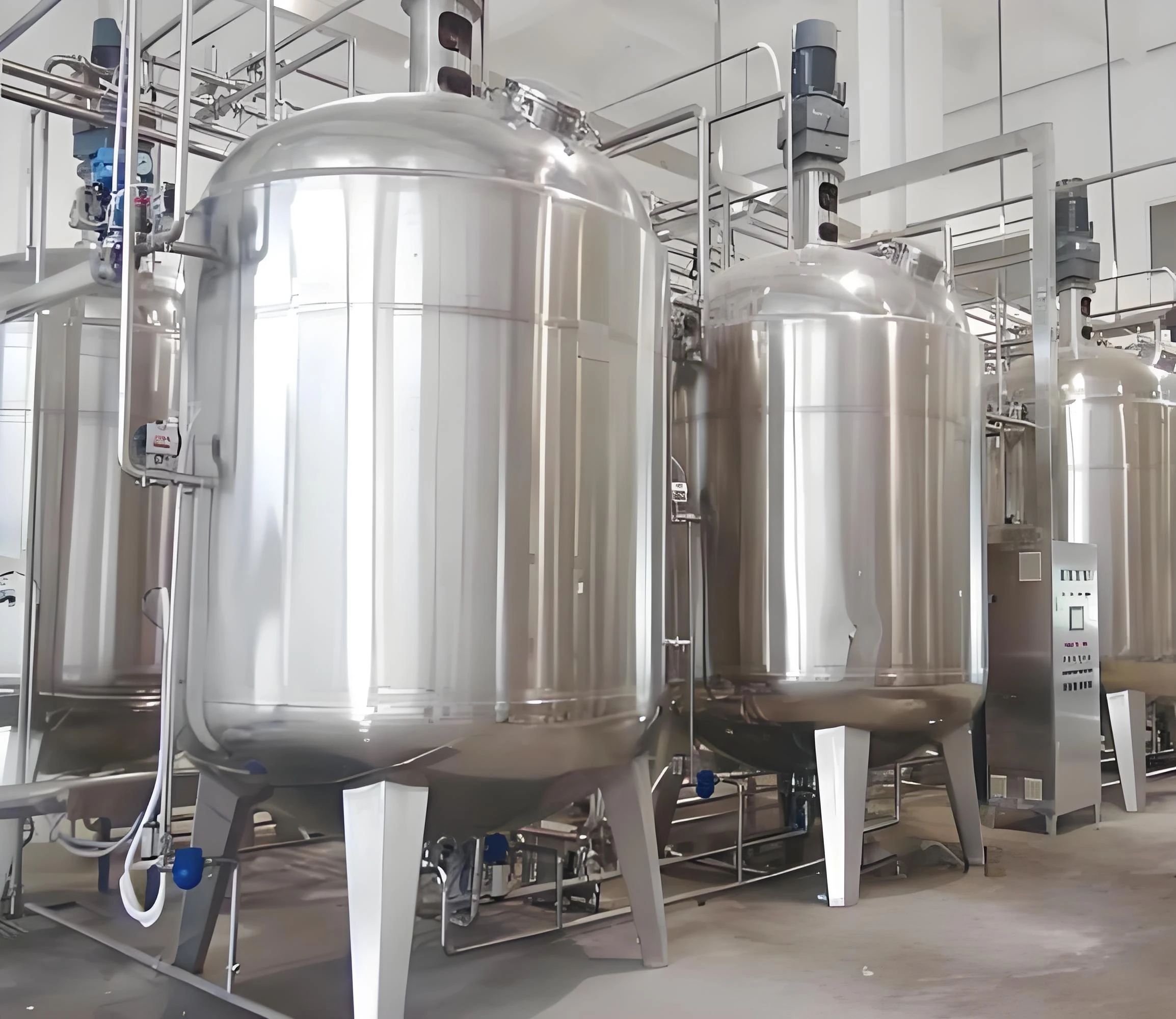
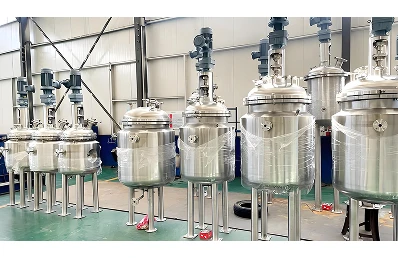
RegularLiquid Preparation TankDuoan is placed in an indoor dust-free workshop, relying on stable temperature and humidity, and a sealed environment to ensure the stable operation of equipment. However, in some chemical, water treatment, and large-scale additive preparation scenarios, due to production site planning and capacity layout requirements, the mixing tank needs to be placed in an outdoor environment for use. Outdoor environments are prone to complex working conditions such as exposure to sunlight, rain, temperature fluctuations, sandstorms, dust, corrosive gases, and water accumulation and freezing. Compared to indoor installation of equipment, it is more prone to problems such as tank rusting, paint aging, pipeline damage, material deterioration, and equipment failure.
If outdoor mixing tanks lack professional protective treatment and are exposed to natural environments for a long time, the service life of the equipment will be greatly shortened, and hidden dangers such as tank corrosion and leakage, electrical system moisture failure, insulation failure, and material contamination by debris will occur, affecting the accuracy of mixing and production safety. To help enterprises standardize the installation and construction of outdoor distribution tanks, avoid equipment loss and production risks caused by environmental factors, this article provides a detailed explanation of the complete set of protective measures and installation specifications for outdoor placement of distribution tanks, which are suitable for long-term stable use in various outdoor working conditions.
1、 Tank body anti-corrosion and rust prevention treatment
Corrosion prevention is the core process for the installation and protection of outdoor liquid tanks. Due to high humidity, frequent rainfall, and the presence of acidic and alkaline corrosive air in some areas, metal tanks are prone to oxidation, rust, and material corrosion, which can damage the structural integrity of the tank. Therefore, systematic corrosion prevention treatment should be completed during the installation phase.
Stainless steel material mixing tank, before installation, the surface of the tank body needs to be finely polished to repair scratches and wear caused during transportation and handling, eliminate material damage points, and reduce oxidation and corrosion hazards. For weak areas such as welds, interfaces, and bases, additional anti-corrosion strengthening treatment is required, and a suitable stainless steel protective coating should be applied to enhance corrosion resistance.
The carbon steel material mixing tank needs to undergo multi-layer anti-corrosion technology, which includes rust removal and polishing, primer coating, intermediate anti-corrosion paint, and topcoat protection in sequence. The coating should be uniform without any omissions or sagging, and should isolate the contact between air, rainwater, and the tank substrate. It is recommended to use specialized protective paint with strong weather resistance for outdoor tank topcoat, which can adapt to long-term sun exposure, rain, temperature changes, and avoid paint fading, peeling, and detachment.
For outdoor distribution tanks located near chemical plants and coastal areas, the air contains high levels of salt and corrosive media. Therefore, it is necessary to increase the thickness of the anti-corrosion coating and use specialized salt spray and corrosion protection processes to slow down the corrosion and aging rate of the tank body.
2、 Sunscreen and anti-aging protection treatment
Long term exposure to sunlight and ultraviolet rays can accelerate the aging of the external insulation layer, seals, pipeline sheaths, and electrical circuits of the mixing tank, resulting in sealing cracking, insulation detachment, and circuit brittleness. At the same time, high temperature exposure can increase temperature fluctuations of the materials inside the tank, affecting material stability. Special sun protection measures should be taken.
Outdoor mixing tanks can be protected by sun protection coatings and thermal insulation layers on the tank body. An external thermal insulation protection structure can be installed to block direct ultraviolet radiation, prevent surface aging of the tank body, and reduce the problem of temperature rise inside the tank caused by sunlight exposure, stabilizing the temperature of the mixing process.
Rubber and plastic material accessories such as equipment sealing strips, sealing rings, and exposed hoses have weak weather resistance and are prone to aging and deformation due to long-term exposure to sunlight. When installing, they can be covered with a special sunscreen sheath for protection. At the same time, UV resistant and aging resistant material accessories should be preferred to adapt to outdoor working conditions.
Large scale outdoor equipment layout scenarios can be built with simple sunshades and rain shelters according to site conditions. Transparent or steel structure shading facilities can be used to cover tanks and exposed pipelines in multiple directions, reducing direct sunlight and wind and rain erosion. There is no need to close the equipment, and it does not affect equipment maintenance and heat dissipation.
3、 Waterproof, rainproof and anti-seepage protection treatment
The outdoor mixing tank is exposed to rain and snow throughout the process, and rainwater is prone to seep into the equipment base, electrical interfaces, pipeline gaps, and insulation layers, causing problems such as water accumulation and corrosion on the base, moisture and short circuits on the circuit, and mold growth on the insulation layer. Multiple waterproof and rainproof measures should be implemented during the installation phase.
All inspection ports, observation ports, pipeline interfaces, and wiring ports of the tank body need to be equipped with waterproof sealing accessories to ensure a tight seal and prevent rainwater infiltration. The top of the equipment should be kept flat and tidy, with a reasonable drainage slope reserved to avoid long-term water accumulation and leakage at the top. Waterproof edge sealing can be done at the corners and weld positions of the tank top to block the water leakage channel.
The equipment base should be higher than the natural ground standard height to prevent water from soaking the equipment base on the ground. Drainage slopes and drainage ditches should be made around the base to ensure that rainwater is quickly diverted and there is no accumulation of water. Outdoor waterproof models should be selected for exposed electrical switches, control boxes, and sensor junction boxes, with waterproof covers installed. The wiring ports should be sealed and waterproofed to avoid moisture damage during rainy days.
4、 Antifreeze insulation and thermal insulation protection treatment
The outdoor temperature difference between day and night is large, and the temperature fluctuates significantly throughout the four seasons. High temperatures in summer and low temperatures in winter can seriously affect the stability of the liquid preparation materials. Low temperature environments can also cause pipeline media to freeze, seals to freeze, and tank stress deformation. Therefore, insulation, heat insulation, and anti freezing measures should be taken according to the seasonal conditions.
Conventional outdoor mixing tanks require the installation of an overall insulation layer, using insulation cotton and insulation boards to wrap the tank body and exposed pipelines. The outer layer is equipped with a waterproof protective shell to achieve winter and summer insulation, stabilize the temperature of the materials inside the tank, and reduce the interference of external environmental temperature on the mixing process.
In low temperature areas during winter, it is necessary to provide pipeline heat tracing and anti freezing measures for tank bodies to avoid freezing and blockage of purified water pipelines, cleaning pipelines, and medium pipelines, ensuring the normal start stop operation of equipment in winter. When the equipment is shut down and idle, it is necessary to empty the residual medium in the tank and pipeline to prevent freezing and expansion, which may cause damage to the tank body, pipeline, and sealing components.
During the high temperature period in summer, relying on the thermal insulation protection layer to reduce the heat absorption of the tank, combined with the sunshade protection structure, the heating rate of the materials inside the tank is reduced, avoiding problems such as material deterioration, concentration fluctuations, and failure of additives caused by high temperature.
5、 Dust, dirt, and debris protection treatment
The outdoor environment is prone to sandstorms and dust, which can easily cause dust, leaves, and debris to fall into the tank, resulting in material pollution and pipeline blockage. Especially in fine chemical and water purification additive liquid preparation scenarios, there are basic requirements for equipment cleanliness, and dust and pollution prevention measures need to be taken.
The outdoor mixing tank should be kept in a closed operation state, with the manhole and feeding port on the top of the tank fully sealed. The breathing valve and ventilation port should be equipped with dust-proof filtration devices to block external dust, debris, and mosquitoes from entering the interior of the tank. During the equipment shutdown period, all exposed openings and pipeline ports must be covered and sealed to prevent dust accumulation and debris from falling in.
The external brackets, bases, and pipeline surfaces of the equipment should be kept smooth and tidy, without dust accumulation or dead corners. Surface floating dust should be regularly cleaned to avoid long-term accumulation of dust, moisture, and scaling, which may affect the appearance of the equipment and the stability of the structural protective layer. Simple protective fences can be built around the area to reduce the accumulation of dust caused by strong winds.
6、 Electrical and grounding safety protection treatment
Outdoor electrical equipment is exposed to wind, rain, moisture for a long time, and the risks of electrical leakage, static electricity, and lightning strikes are much higher than indoor equipment. During installation, strict electrical protection and grounding lightning protection measures must be implemented to ensure the safe operation of the equipment.
All outdoor electrical accessories are selected with standard outdoor protection level models, and waterproof cables are used for the wiring. Protective sleeves are installed on the outer layer to prevent the wiring from being exposed to moisture, aging, and damage. The circuit layout is neat and fixed, without suspension or wear, and the joint positions are sealed and waterproofed to prevent rainwater from infiltrating and causing short circuits and leakage faults.
The equipment needs to be equipped with independent and reliable grounding devices to promptly release static electricity generated during operation and avoid static electricity accumulation. Large vertical liquid distribution tanks in open spaces need to be equipped with lightning protection grounding and lightning protection devices, in accordance with outdoor equipment lightning protection regulations, to avoid lightning hazards in thunderstorm weather and ensure the safe operation of equipment and the site.
7、 Structural and basic environmental protection treatment
Outdoor liquid tanks are not covered by indoor walls and are susceptible to strong winds, settlement, and external collisions. During installation, it is necessary to strengthen the foundation, provide wind and collision protection, and ensure the stability of the equipment structure.
The equipment base adopts a reinforced concrete hardened structure to ensure stable load-bearing and no settlement deformation. The surface of the base is treated with anti-seepage, waterproofing, and anti-corrosion measures to adapt to harsh outdoor environments. Large vertical liquid distribution tanks need to be equipped with windproof fixed brackets and limit devices to resist the risk of shaking and displacement in strong wind weather and improve the overall stability of the equipment.
Simple anti-collision guardrails can be installed around the equipment to prevent vehicles and construction equipment from colliding with the equipment, and to protect the tank, pipelines, and electrical accessories. At the same time, keep the ventilation around the equipment unobstructed and unobstructed, avoid long-term accumulation of humid air, and reduce problems such as rust, mold, and microbial growth.
8、 Key points for daily protection and maintenance of outdoor liquid preparation tanks
After the installation of protection is completed, regular operation and maintenance are the key to ensuring the effectiveness of protection. Regularly check whether the anti-corrosion coating and sun protection layer of the tank are intact, and promptly repair peeling, peeling, and damaged points; Regularly inspect the waterproof sealing of pipelines and electrical waterproof structures, and replace aging and ineffective sealing accessories.
Strengthen waterproof and lightning protection testing before the rainy season, and implement anti freezing and heat tracing protection inspections before the winter season; Regularly clean the drainage channels, accumulated water on the tank top, and debris around the equipment to maintain the integrity and effectiveness of the protective structure, and continuously adapt to the complex outdoor operating conditions.
Summary
Placed outdoorsLiquid Preparation TankInstallation protection treatment revolves around seven dimensions: anti-corrosion and rust prevention, sun protection and anti-aging, waterproof and rainproof, constant temperature and antifreeze, dust and dirt prevention, electrical security, and structural reinforcement. Compared to indoor liquid distribution tanks, outdoor equipment needs to withstand the effects of natural weather, temperature differences, dust, and corrosive media. Through systematic installation and protection measures, the probability of equipment aging, corrosion, and failure can be effectively reduced, the liquid distribution production process can be stabilized, the service life of equipment can be extended, and the long-term safe, stable, and compliant operation of the liquid distribution system under outdoor working conditions can be guaranteed.